
The adoption rate of electric vehicles (EVs) in Singapore is gaining traction, with 43% of new car registrations in the first nine months of 2025 being electric vehicles. EVs accounted for 33.8% of new car sales in 2024, which was up from 18.2% in 2023.
According to the Land Transport Authority (LTA), data up to the end of September 2025 shows there were 41,732 electric cars on the road, representing 6.3% of the total car population. This marks a significant increase from 4% at the end of 2024 and just 1.8% in 2023.
This rapid growth reflects Singapore’s long-term strategy to decarbonise its transport sector, aligning with the Singapore Green Plan 2030. The country is projected to achieve an electric vehicle adoption rate of 74% by 2035 — the highest in Southeast Asia.
As the EV market continues to expand in Singapore, fleet businesses need to understand what this shift means for their operations and which technologies can help them maximise the opportunities ahead. Let’s take a closer look.
With strong government promotion and concerted efforts by industry stakeholders, electric vehicles (EVs) have developed rapidly in Singapore. The market has grown significantly, alongside a noticeable shift in brand popularity from Tesla to BYD, which has registered more than 8,000 electric vehicles and captured 32.5% of the market.
At the same time, electric private car technology has matured, with prices becoming increasingly competitive with conventional fuel-powered vehicles. The electrification of commercial vehicles is also accelerating, particularly in the light goods-vehicle” segment. In late 2023 and early 2024, more than 50% of new van and light goods vehicle registrations were electric, signalling strong momentum in fleet electrification.
Adjustments have also been made regarding the Preferential Additional Registration Fee (PARF), which are bringing about change for taxi operators, private hire cars, and corporate fleets. The evolution of PARF should be kept in mind when moving forward with electrification strategies.
As a fleet manager, the key developments and statistics you should know about include:
Knowing what's currently going on in the market and what to expect will help you make smarter decisions for your fleet and keep you ahead of the curve.
Have a look.
To support the transition to electric vehicles, the Ministry of Transport has introduced financial incentives that narrow the gap in ownership cost between an EV and an equivalent internal combustion engine vehicle. These include the following:
The Prime Minister and Minister for Finance have also announced a revision to the PARF rebate schedule, which applies to taxis, corporate fleets, and private vehicles that deregister before their Certificate of Entitlement (COE) lifespan. It highlights the natural and gradual adoption of EVs within Singapore’s passenger car market.
This revision encapsulates the following:
While overnight slow charging will remain the predominant charging strategy for most vehicles, high-powered fast chargers will be essential to meet the needs of high-mileage EVs like taxis and commercial vehicle fleets. In tandem with rising EV adoption, the Land Transport Authority (LTA) is working to deploy fast chargers at Housing & Development Board car parks in commercial complexes, town and neighbourhood centres. This is also being done at JTC Corporation premises, because these locations are frequently used by fleet drivers during rest breaks.
Partnerships have also been established with various EV charging operators to expand island-wide charging access at petrol stations, shopping malls, office buildings and industrial estates. These efforts will play a critical role in supporting Singapore’s net-zero emissions ambition.
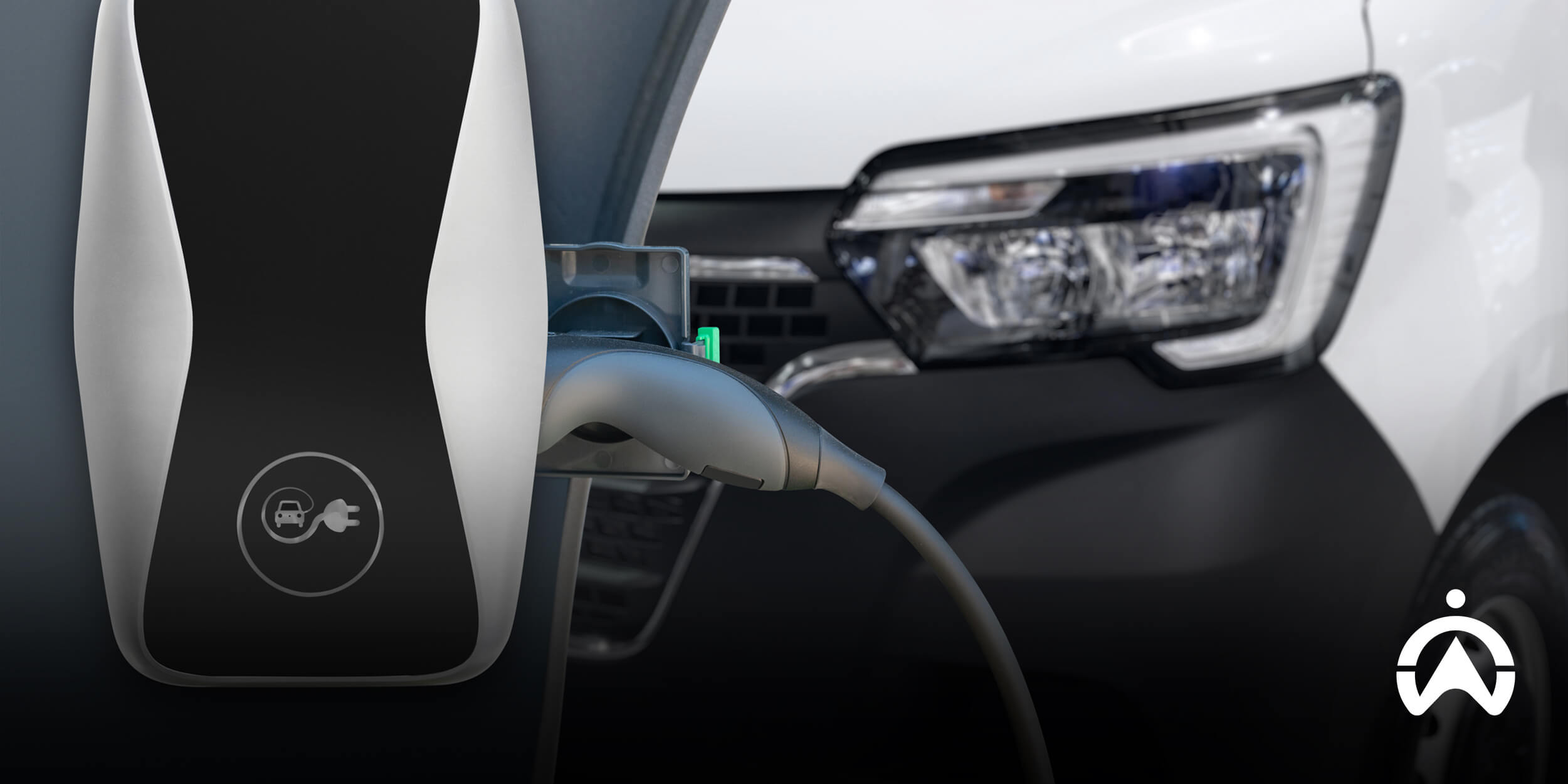
The upfront costs of EVs are still higher than those of petrol or diesel vehicles, but the running costs and maintenance are significantly lower, making them cheaper over time.
EV charging costs vary in Singapore, ranging from roughly from S$0.40 to S$0.90 per kWh for public charging, with public AC charging typically costing S$0.40–S$0.65/kWh and DC fast charging ranging from S$0.50–S$0.90/kWh. The median cost in HDB carparks is approximately S$0.66/kWh, while private commercial chargers average S$0.74/kWh.
With future expansion of the public EV charging infrastructure, the public can expect the cost to reduce significantly over time.
The essential EV management tools and resources that you as a fleet manager need to include are:
Combined, these tools and resources help you stay ahead of your competitors through advanced technologies and up-to-date policies.
Here’s how:
Every fleet has its own set of challenges, but a fleet management system is always the best solution. EV-integrated fleet management systems come with solutions like route planning to help tackle the issue of charging stations. They also help with real-time monitoring of battery statuses and driver behaviour. Through this technology, your fleet operations will have minimal disruptions.
It’s also important that you keep in touch with industry bodies and associates that support fleet managers and the transport sector. This is because they’ll give you guidance, research, and best practices for running an EV fleet. You’ll stay informed about any policy changes so your fleet remains compliant, and you’ll stay in the loop about any emerging trends.
You should also work closely with charging network providers to get easier access to public and private charging stations. Partnering with them ensures reliability & proper route planning, and helps you manage costs better.
The top Cartrack features that support your EV transition are:
Together, these solutions give you more control over your fleet, helping you run your EVs more efficiently. Here’s a breakdown of how they work:
With our GPS tracking system, you’ll always know where each of your vehicles are to ensure they’re operating in the right areas and that drivers are being productive. For example, if one of your vehicles has been stationary for too long, it might indicate a battery issue, which you can attend to as soon as you notice. GPS trackers also ensure the safety of your EVs, safeguarding them from theft.
With our system you can create virtual borders around certain roads or areas to ensure your EVs move within areas with enough charging stations. This is what we call geofencing. If a driver goes out of the geofenced area, you’ll receive an immediate alert so you can quickly call and find out why.
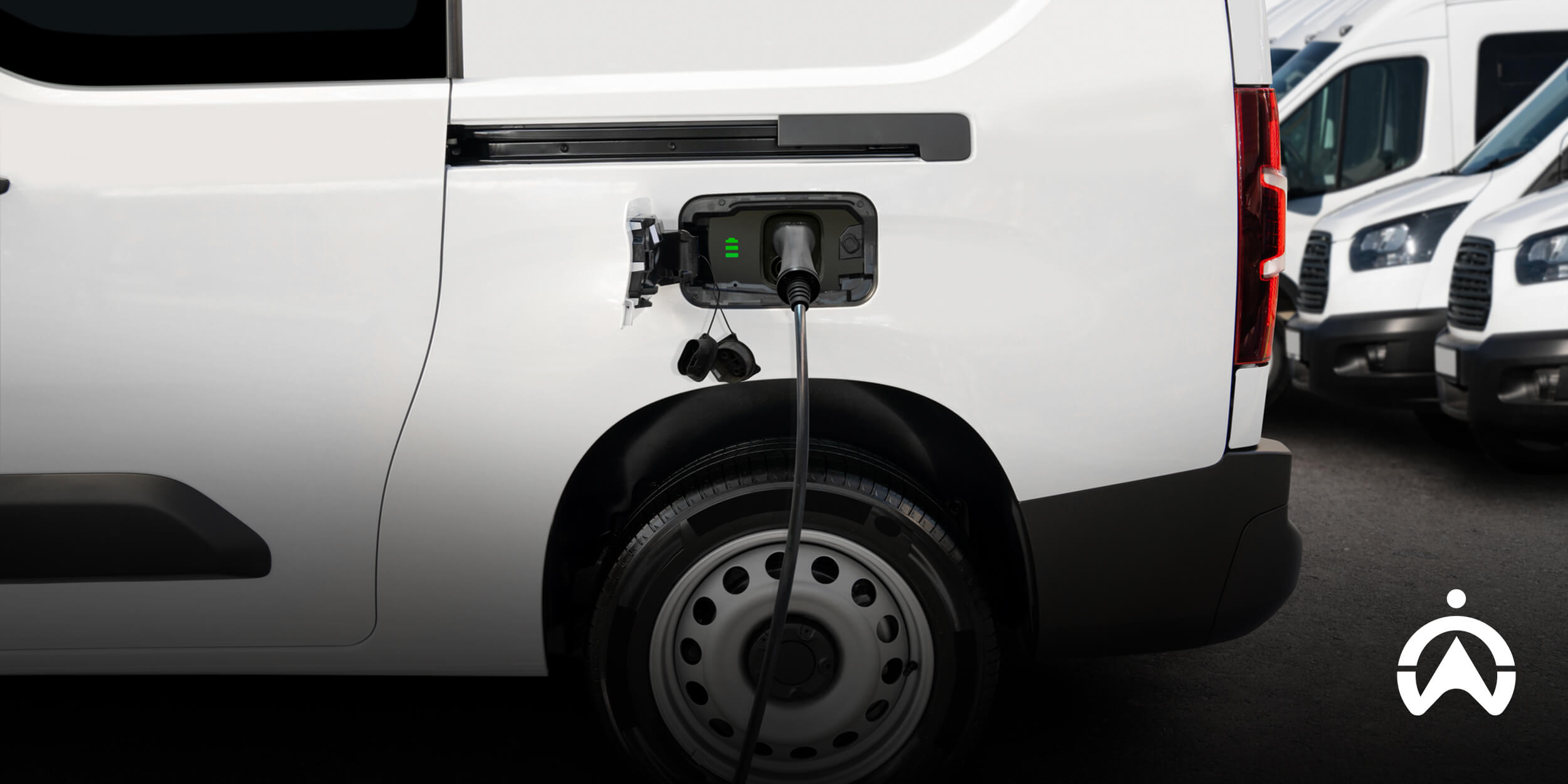
Our route optimisation software helps you properly plan daily routes to manage range anxiety. The software factors in things like historical traffic patterns, weather conditions, and the vehicle’s battery levels. Through this software you can plan better routes around charging stations, ensuring stress-free operations.
You need a daily report of how your drivers handle your EVs. We have a telematics device that will give you insights into how your drivers behave on the road. You’ll get reports on things like speeding and harsh acceleration, since these behaviours can drain the battery faster.
It’s also important that you train your drivers on how the EV driving dynamics differ from those of traditional driving.
By identifying driver patterns, you can see which drivers need support or coaching, so to make things easier for you, we have a driver coaching feature on our platform.
With this, you’ll get the exact number of repeated incidents for each driver, and you’ll see what was discussed during each coaching session.
EV maintenance costs are significantly lower than those of traditional vehicles because there are fewer parts to replace, and they don’t require things like oil changes. A fleet management system gives you more maintenance savings through preventative measures like scheduled reminders for things like battery replacements. This way, you’ll have less downtime and make more profit.
At Cartrack we specialise in everything related to fleet management. Whether you have a fully electric fleet or one that’s mixed, you can rely on us to give you the best solutions for managing your fleet. The world is going greener with time and we’re always up to date with the kind of software you need to stay ahead of the game.
As Singapore’s EV policies evolve, moving from subsidies and grants to changes in rebate structures is key to adopting a strategic and data-driven approach to electrification—but only if you have the right partner by your side.
Contact us today, and see how Cartrack can transform your EV fleet operations!
Get the latest news about growing EV adoption in Singapore. Learn about more affordable models, better charging, and tools to help fleets run efficiently.
